Wheel alignment for experts: how to do this, explained step-by-step in a checklist.
Noise and vibration complaints are rarely caused by faulty steering or suspension components. However, the quality of used materials and design of those parts has a significant impact on noise and vibrations. Small variations in rubber properties, bearing design or manufacturing tolerances can influence how effectively vibrations are absorbed.
In case the noise or vibrations come from steering and suspension parts, here are some tips to identify possible reasons and how to solve them.
DIAGNOSTICS AND REPAIR.
An effective diagnosis always starts with isolating the source of the complaint first. To reduce diagnostic time, prevent unnecessary repairs and avoid secondary damage to chassis components. The root cause in many cases is tire wear, wheel imbalance, incorrect wheel alignment, damaged springs, shock absorbers, bearings or brake components.
CLUNKING NOISE WHEN GOING OVER BUMPS.
REASON.
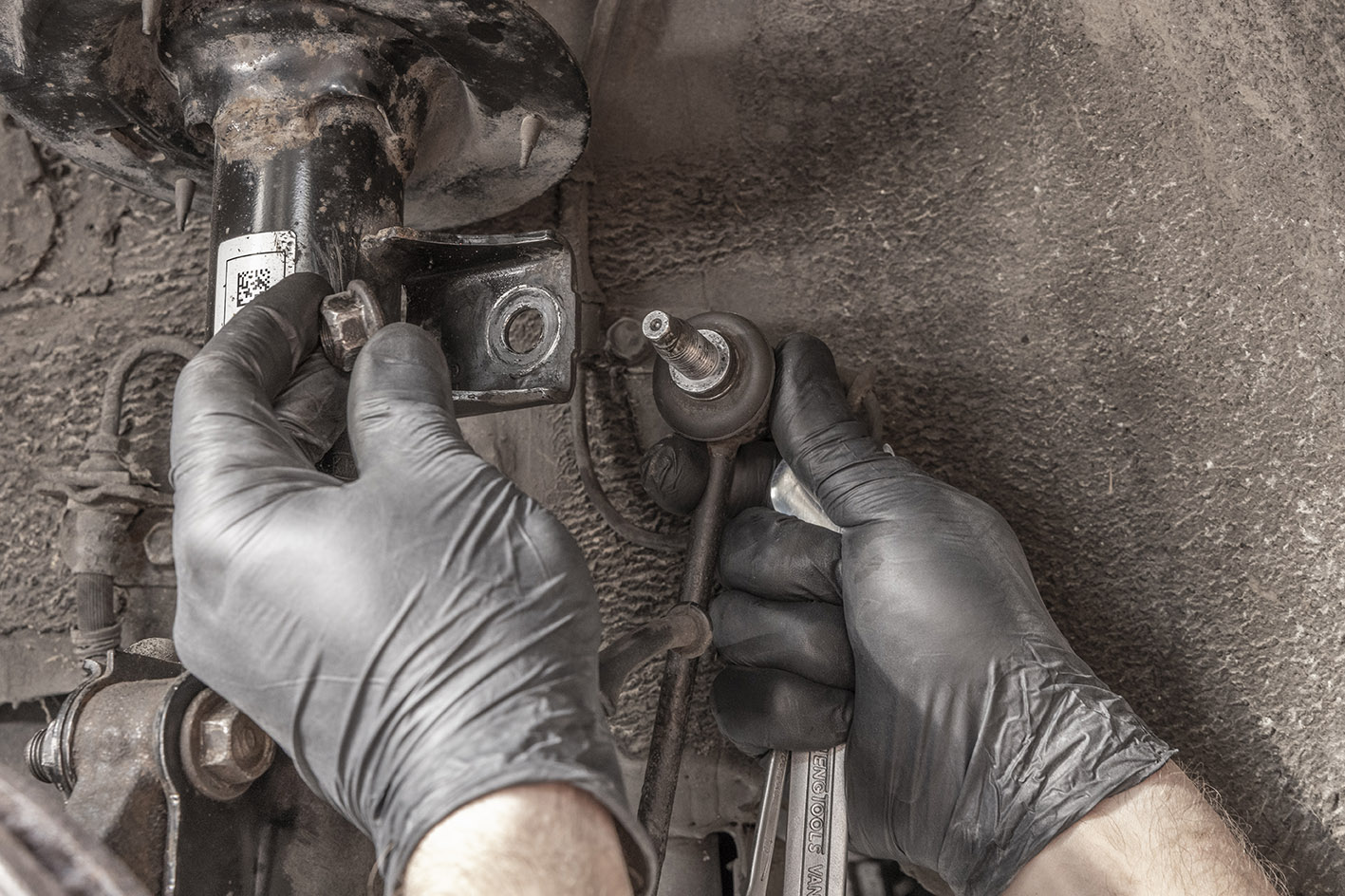
If you have worn silent blocks on a control arm or stabilizer links, your car will not be as comfortable to drive. When the wheel moves up and down over uneven surfaces, the metal parts of the suspension start to knock against each other, making a dull clunking noise through the car’s frame.
TECHNICAL EXPLANATION.
- Silent blocks of control arms are designed to allow the arm to move a little bit but keep it firmly in place. As the rubber gets older or cracks, it hardens and creates space.
- The same thing happens when the stabilizer link joints wear out.
The impact energy is no longer softened by the rubber, so you can hear a “clunk” when you drive over speed bumps or potholes.
SIDEM SOLUTION.
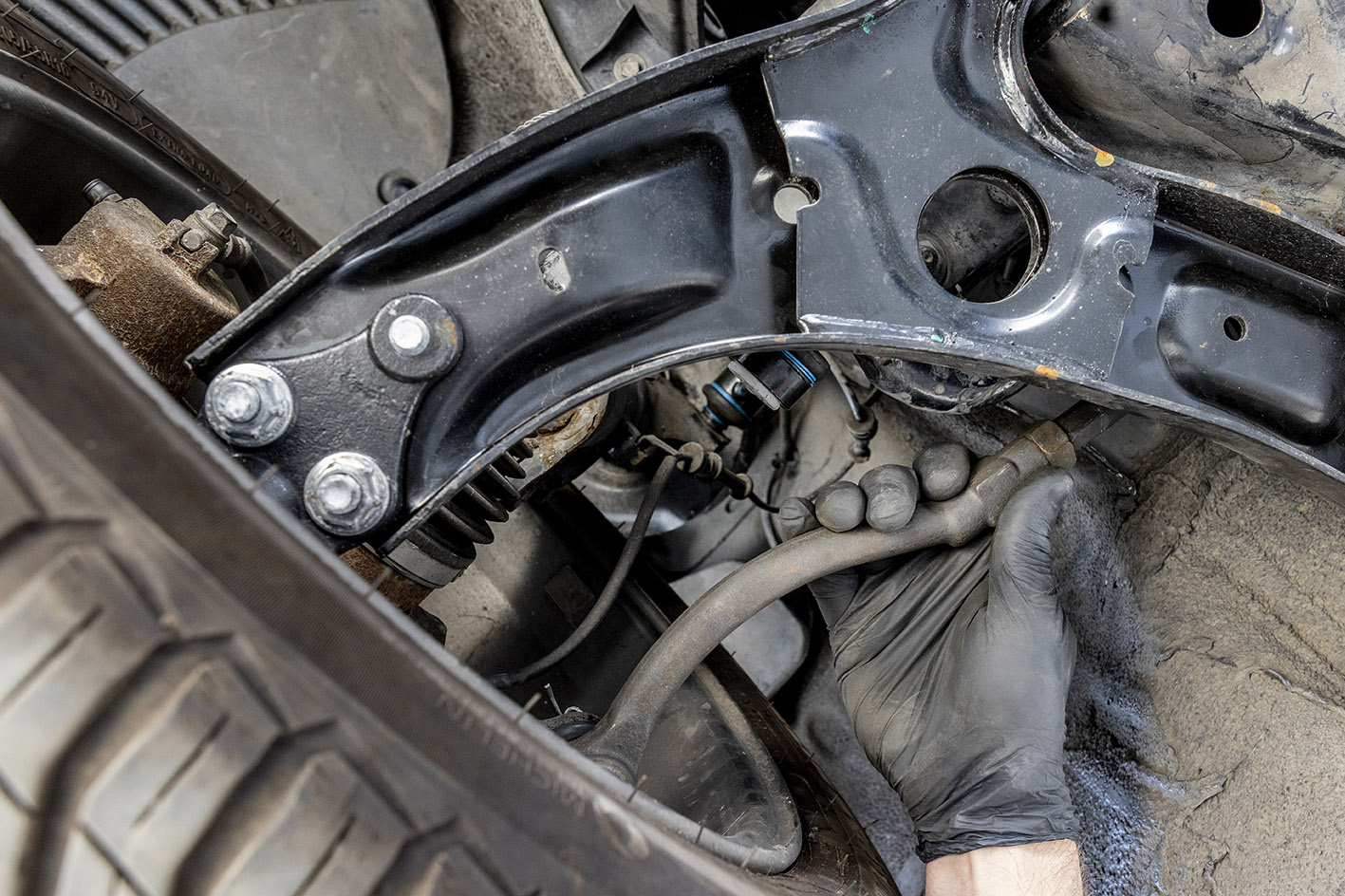
Sidem control arms come with silent blocks already fitted. These are pressed under controlled conditions to make sure they are in the same shape as the original parts.
Each silent block is made from rubber compounds with precise Shore hardness, tested to absorb road impacts while keeping suspension aligned.
The result: no play, no noise, OE-level comfort, ready to install as soon as you take it out of the box.
STEERING WHEEL VIBRATES AT SPEED.
REASON.
Play can be in the tie rod ends, axial joints, strut mounts. Or, caused by a worn steering rack gaiter giving water or dust infiltration.
TECHNICAL EXPLANATION.
- At higher speeds, any looseness in the steering linkage or suspension mountings is more noticeable.
- If the tie rod end is worn, the wheel can move around and shake, which is felt as a vibration in the steering wheel.
- If strut mounts are defective, they can stop suspension movement from being properly isolated.
This can cause the whole steering column to shake.
SIDEM SOLUTION.
-
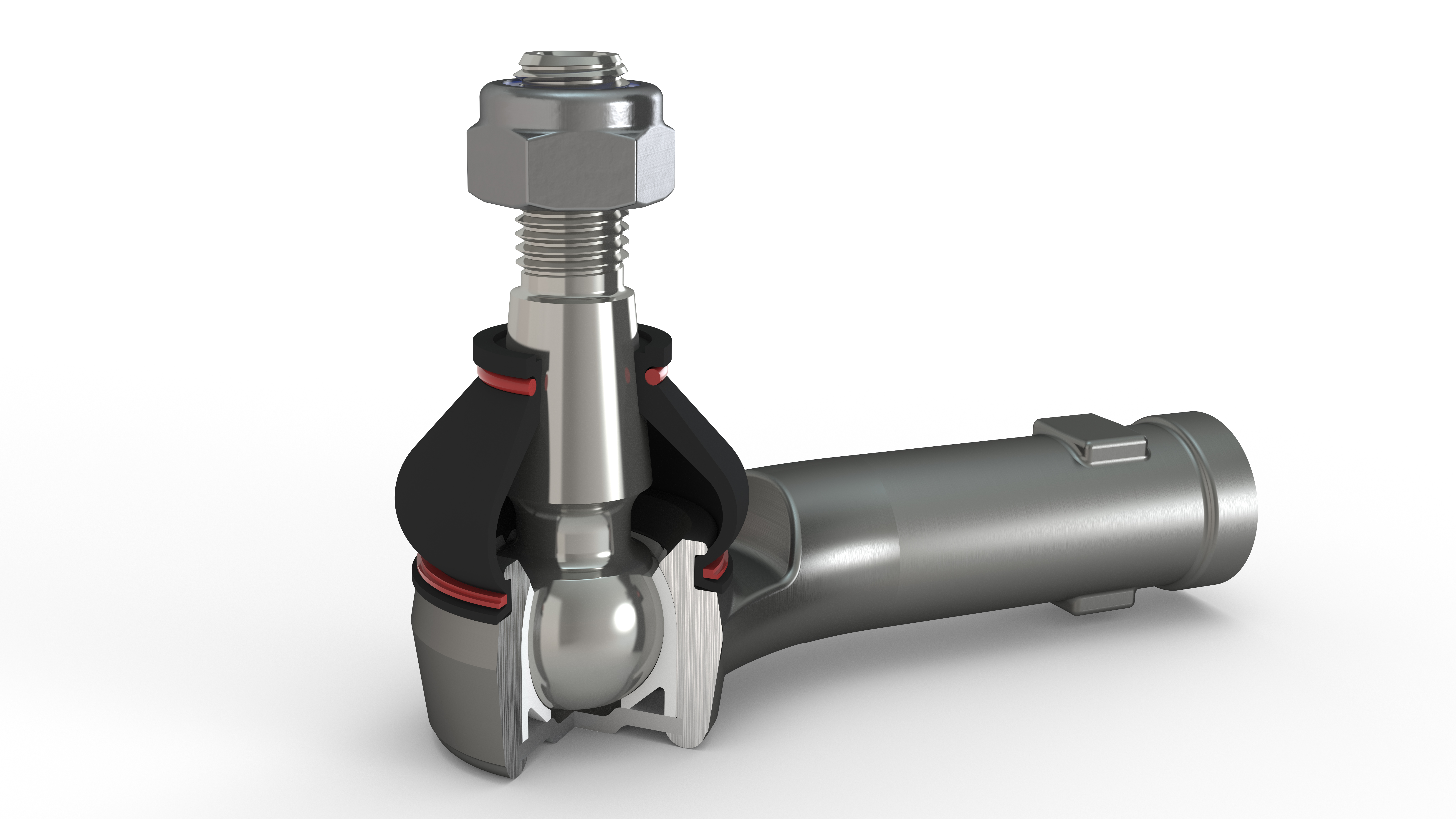
- Sidem tie rod ends and axial joints use special pins with low-friction polymer bearings. This combination makes sure that the wheels turn smoothly without any wobbling, which is important for keeping the car stable and making sure the steering feels precise.
- The side top mounts have optimised rubber-metal bonding to filter out vibration before it reaches the cabin.
All these parts work together to make the steering more accurate and get rid of any unwanted vibrations.
WORKSHOP TIP.
If the vibration doesn’t stop after replacing a part, check the wheel balance and alignment. Noise, vibrations or harshness is often caused by more than one thing, getting rid of all the causes is the only way to make a lasting solution.
CREAKING NOISE WHILE TURNING.
REASON.
The problem is probably a worn strut mount, bearing or a dirty or dry ball joint. In case of the ball joint, this could be because the dust cover is damaged or there is not enough lubrication anymore.
TECHNICAL EXPLANATION.
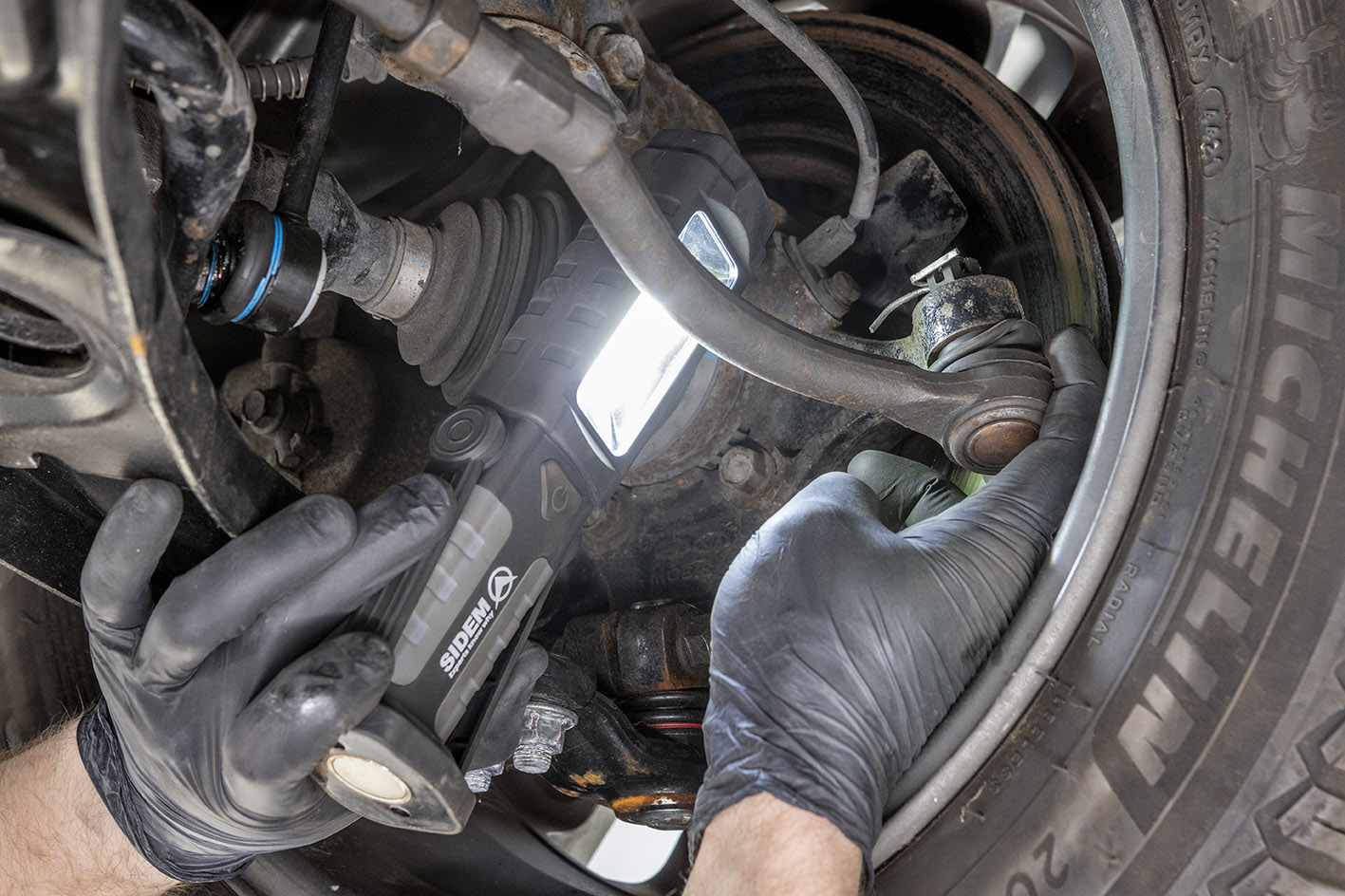
The ball joint lets the suspension arm and the steering knuckle move around each other smoothly. If its dust cover is damaged, water and dirt can get in, which can cause problems. The metal parts rub together and make a creaking or groaning noise when you turn the wheel, especially when you’re going slow or using the full lock.
SIDEM SOLUTION.
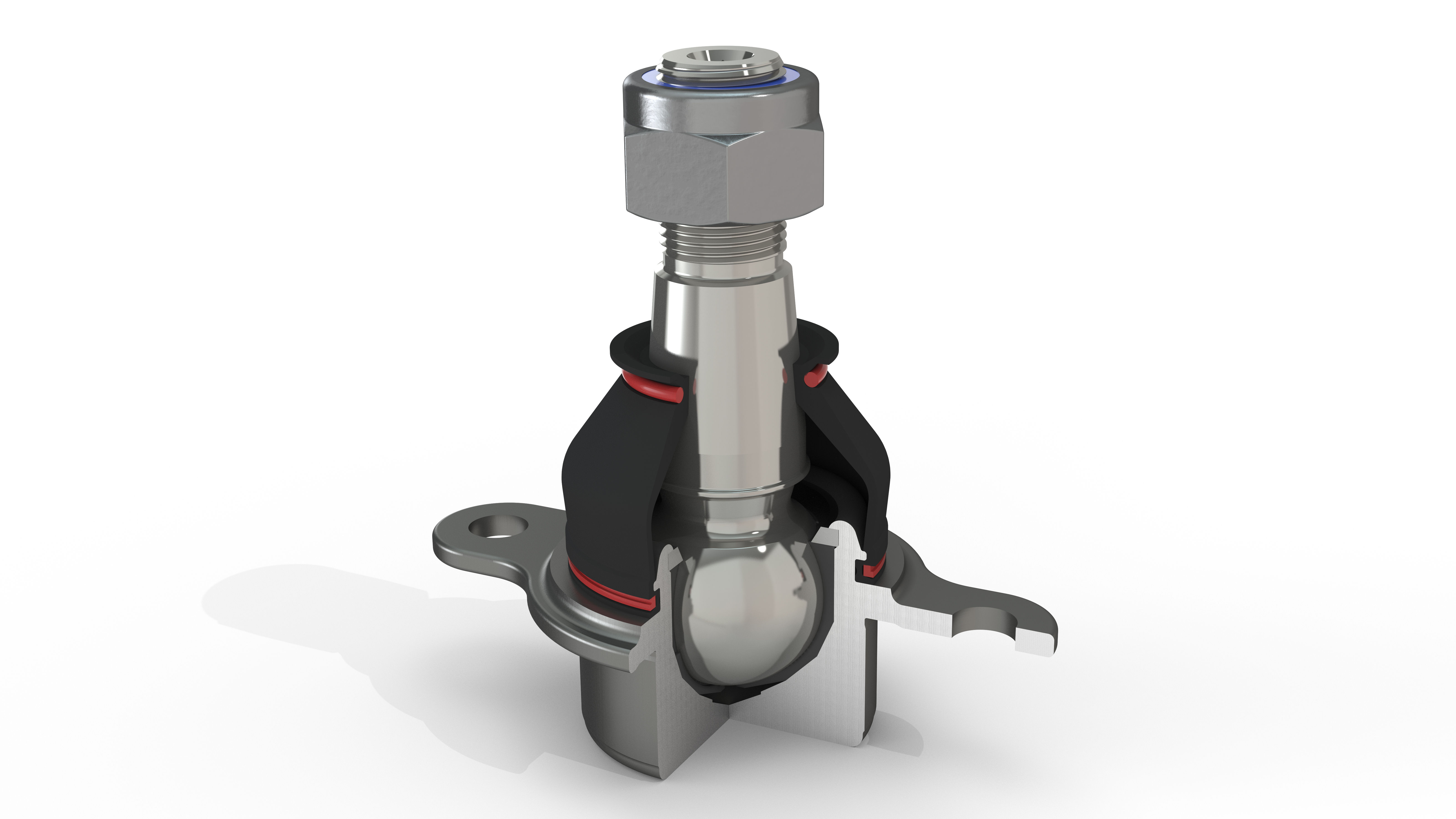
Sidem ball joints are designed with a dust boot that is fully sealed and a grease chamber that is integrated and designed to last a long time. The sealing system stops moisture getting in and keeps the internal surfaces lubricated whatever the conditions.
Each ball pin is made to reduce friction and make sure it works quietly and consistently.
WORKSHOP TIP.
Check the dust covers every time you service the car. Even a small tear can lead to faster wear and customer complaints.
KNOCKING NOISE UNDER BRAKING OR ACCELERATION.
REASON.
Problems with braking or speeding up. Excessive play in the rubber bushings or mounting axle body.
TECHNICAL EXPLANATION.
When the driver brakes or accelerates, the suspension changes shape. If the silent blocks are too soft or worn, the arm will move slightly, which will cause a knocking or “clack” noise. This is especially clear at the front lower control arms, where the forces are at their highest.
SIDEM SOLUTION.
- The rubber parts are made to a special hardness, and the metal parts are shaped to stay in place when there is pressure on them.
- The rubber compound is chosen to absorb both low-frequency engine vibration and high-frequency road impacts, reducing noise and vibration while keeping suspension geometry precise.
WORKSHOP TIP.
Always tighten rubber bushings at the same height as when you’re riding. If you tighten it with the wheels hanging, the rubber is twisted in a pre-stressed position, which causes it to fail and vibrate prematurely.
METALLIC RATTLE AT LOW SPEED.
REASON.
The joints that hold the stabilizer in place, or the anti-roll bar bushings, may be loose or worn.
TECHNICAL EXPLANATION.
At lower speeds, the anti-roll bar makes up for small differences in how the left and right wheels move. If the ball joints in the stabilizer link have play, they rattle inside their sockets each time the bar moves. This makes a clicking or tapping sound.
SIDEM SOLUTION.
The side stabilizer links have a ball design and high-precision polymer seats that make the links fit perfectly. The result is that it can be used to make silent and smooth movements, even after thousands of kilometers.
The anti-roll bar bushings are made with a special rubber that keeps the car steady and stops it from making any noise.
WORKSHOP TIP.
When replacing stabilizer links, always check the bar bushings too. If a car’s suspension and its wheels and tires are worn out, people might still complain about the car’s noise, vibration and harshness even if one of the parts is new.
Related tips
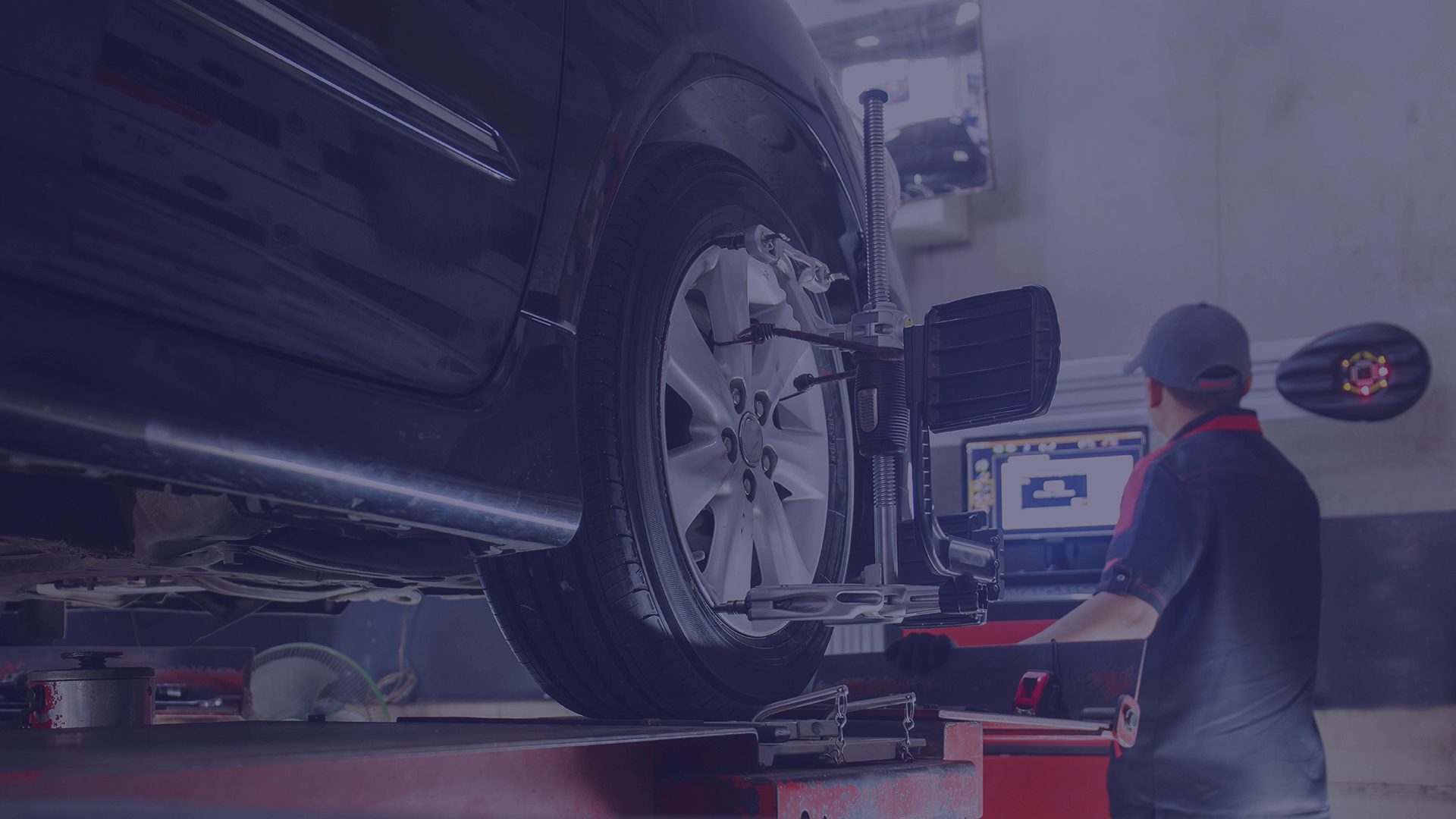
Each intervention at the suspension or steering parts directly affects the wheel positions. The smallest deviation in camber, caster or toe has an impact on tire wear, changed driving behavior and vehicle stability.
Professional wheel alignment requires more than just modern equipment. It also requires insight into vehicle technology, interpretation of data as well as manufacturers knowhow.