Wheel alignment for experts: how to do this, explained step-by-step in a checklist.
HOW TO INSPECT STEERING AND SUSPENSION PARTS?
Check steering and suspension parts in a few steps:
Worn steering or suspension parts can often be detected while driving: abnormal steering when driving straight ahead, play on the steering wheel, reduced straight-line stability, abnormal steering force or vibrations. Also pay attention to vibrations and noises when accelerating and braking.
Check the level of the power steering fluid. A low level may indicate a leak in the pipes or seals and will noticeably affect the steering.
CHECK TIRE PRESSURE.
Check the tire pressure and inflate if necessary. Incorrect pressure affects the handling and accelerates tire wear. Regular checks are important.
WHEEL PLAY.
Check for play by pulling on the wheel. Place your hands vertically to check the wheel bearings, horizontally for the steering bars, and diagonally for play on the ball joints.
CHECK TIRE WEAR.
Check the tires for wear. Uneven or unusual wear may indicate misalignment, worn suspension parts, or incorrect tire pressure.
CHECK SHOCK ABSORBERS AND SPRINGS.
Check shock absorbers and springs. Broken springs can be recognized by abnormal driving height or noises. Leaky shock absorbers cause an unstable drive. Both situations are unsafe and require replacement.
INSPECTION OF TRACK CONTROL ARMS.
Check the track control arms. Make sure the nuts and bolts are still tight. Use a pry bar to check for play between the arm and the steering knuckle for the ball joints, and between the arm and the chassis for the silent blocks. Look for torn or sagging dust covers, which can lead to water infiltration, grease loss, and increased wear. In such cases, always replace them.
CHECK STABILIZATION.
Check the stabilization: inspect the condition of the stabilizer mountings for wear or cracks. Also check the stabilizer links: Is there any play? Is the dust cover in good condition and still in place?
CHECK TIE ROD ENDS.
Check the tie rod ends: are the nuts tight and is there any play on the ball joints? Also check the condition of the dust cover. A torn or twisted dust cover increases the risk of corrosion of the tie rod ball joint. Premature failure is then inevitable. If in doubt, always replace.
CHECK STEERING RACK GAITERS.
Check the condition of the steering rack gaiters. Are there any visible tears, are the clamps still secure and do they fit properly? A torn cover will lead to grease loss, water and dirt infiltration, with a risk of corrosion of the axial rod and damage to the steering gear. In that case: always replace.
CHECKING THE AXIAL.
Check the axial for play. Hold the tie rod ends or the end of the axial and move them back and forth. If you previously felt play on the wheel but not on the tie rod ends, the cause is probably in the axial. It must then be replaced.
Related tips
Each intervention at the suspension or steering parts directly affects the wheel positions. The smallest deviation in camber, caster or toe has an impact on tire wear, changed driving behavior and vehicle stability.
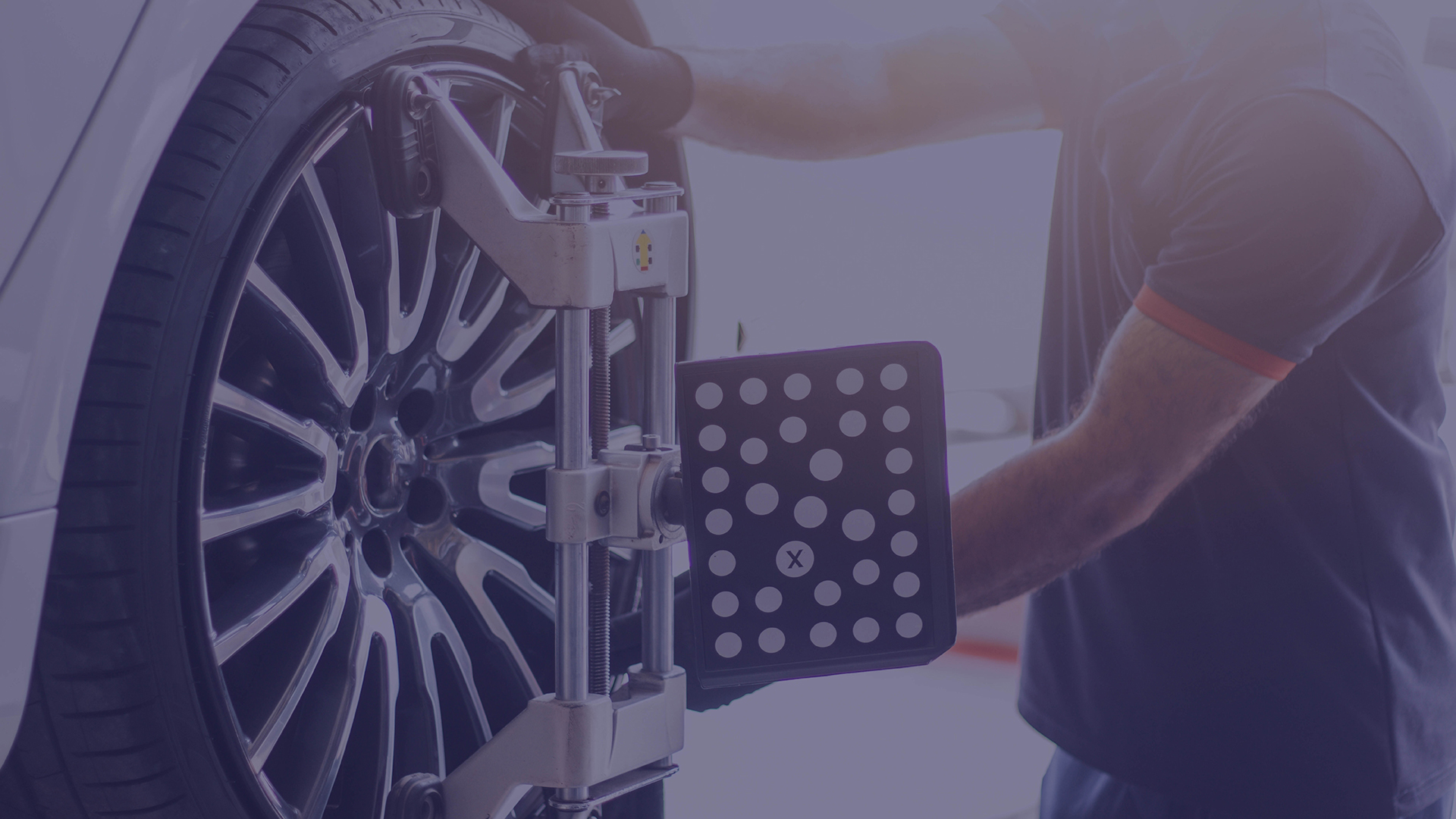
Professional wheel alignment requires more than just modern equipment. It also requires insight into vehicle technology, interpretation of data as well as manufacturers knowhow.