HOW TO REPLACE STEERING PARTS?

Replace steering components in a few steps:


REQUIRED TOOLS.

  • Torque wrench
  • Impact wrench
  • Ratchet wrench
  • Socket set
  • Socket wrenches
  • Track rod wrench
  • Ball joint puller
  • Flat screwdriver
  • Pliers
  • Hammer (optional)
  • Non-aggressive lubricating grease
  • Steel brush
  • Penetrating oil
  • Work light
  • Sidem steering rack gaiter
  • Sidem axial joint
  • Sidem tie rod end

First scan the QR code on the Sidem packaging and read the assembly instructions. We are replacing the tie rod ends, the axial and the steering rack gaiters, in that order. Even if you are only replacing the axial or the steering rack gaiter, the tie rod end must always be loosened first. Clean the nuts and screw threads which are to be removed with a steel brush. Then spray penetrating oil on the thread of the tie rod end and on the lock nut of the axial. Use two wrenches to loosen the lock nut. Then remove the split pin from the tie rod end and loosen the nut on the ball joint.

Use a ball joint puller to remove the tie rod end from the steering knuckle. If this is difficult, you can tap the steering knuckle lightly, but avoid this if possible. Unscrew the tie rod end from the axial. Count the number of turns it takes until it comes loose – it will help when installing the new part and make wheel alignment easier. Loosen the clamps on the steering rack gaiter. Use a small screwdriver to create some space between the gaiter and the axial, and spray some penetrating oil in between.

Pull the cover off the steering rack and slide it off the axial. Then remove the axial from the steering rack. If the axial does not have any wrench flats, or if there is little working space, use a special track rod wrench.

Remove the new parts—tie rod end, steering rack gaiter, and axial—from the packaging and compare with the old parts to make sure everything is correct.

Next, turn the axial manually on the steering rack. Tighten it with a wrench and then apply torque according to the vehicle manufacturer’s guidelines. Apply some grease or oil to the axial shaft. This will make it easier to slide the steering rack gaiter into place. Slide the large clamp over the steering rack gaiter. Install the steering rack gaiter correctly: on the steering rack and in the grooves of the axial. Secure the clamps to the new steering rack gaiter.

First, mount the lock nut on the axial, then turn the tie rod end on the axial according to the number of turns you counted earlier. Apply some grease to the top of the dust cap. Reinstall the tie rod end in the steering knuckle and tighten the nut. Tighten to the torque specified by the manufacturer. Finally, tighten the lock nut securely against the tie rod end to secure everything in place. After replacement, the wheels can be remounted on the car and it is ready for wheel alignment.

Watch the entire video here

Related tips

Wheel alignment checklist.

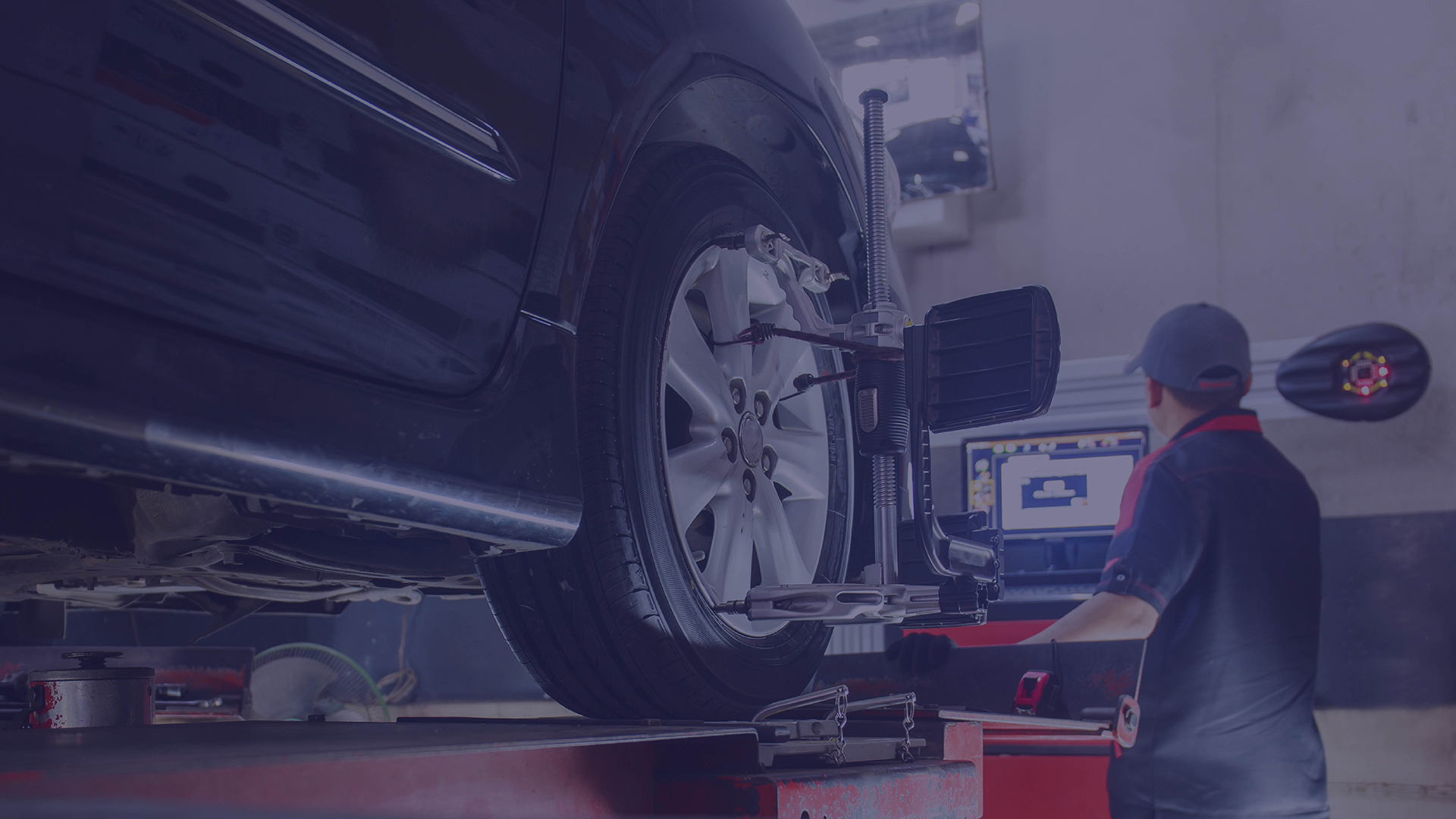
Wheel alignment for experts: how to do this, explained step-by-step in a checklist.
Read more
Why wheel alignment is essential.

Each intervention at the suspension or steering parts directly affects the wheel positions. The smallest deviation in camber, caster or toe has an impact on tire wear, changed driving behavior and vehicle stability.

Read more
Wheel geometry parameters.

Professional wheel alignment requires more than just modern equipment. It also requires insight into vehicle technology, interpretation of data as well as manufacturers knowhow.

Read more